Anti-Counterfeit Series 7: Judge Quality by Thickness and Feel
Cables that are too thin - don't buy them. Cables that are too soft - be careful.
Industry Anti-Counterfeit Column | 2026-10-04
When buying a data cable, you can't open it up to see the internal structure. So are there any visual ways to judge quality? Yes. Looking at thickness and feeling the texture, while not 100% accurate, can help you quickly rule out a lot of inferior products. Today we'll talk about how to preliminarily judge a data cable's quality from its appearance.
Why Does Cable Diameter Matter?
A cable's internal structure determines its thickness. Taking a USB 3.0 data cable as an example, the standard structure includes:
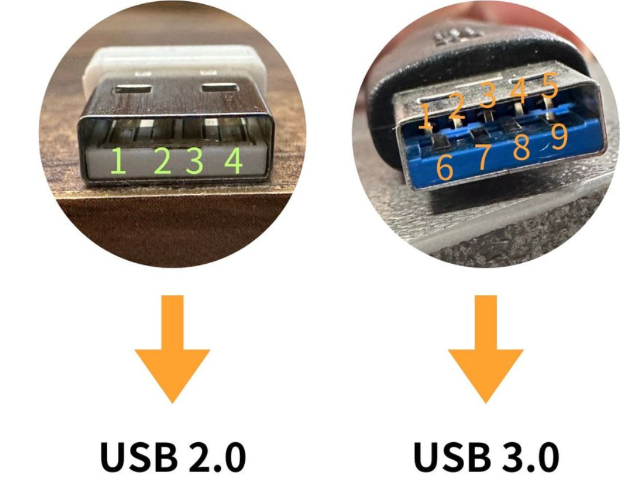
9 wire cores: 4 USB 2.0 compatible cores + 2 pairs (4 cores) of high-speed signal wires + 1 ground wire.
Multiple shielding layers: Aluminum foil shielding around each signal pair + overall metal braided shielding.
Outer jacket: PVC or TPE outer protective layer.
With all these layers, a proper USB 3.0 cable is generally 4-5mm or thicker. If it's noticeably thinner than that, something inside has definitely been cut.
What Gets Cut in Thin Cables?
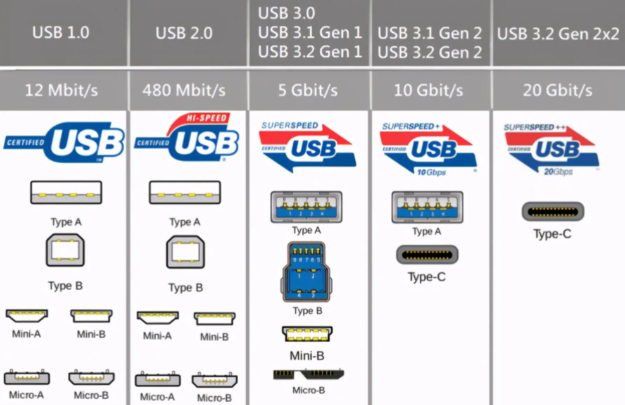
Missing high-speed wire cores: The most common scenario. Only 4 USB 2.0 cores, no 5 high-speed cores. The cable is naturally thinner, but transfer speed is only USB 2.0 level.
Missing shielding layers: The braided shield is removed, or the foil only covers half the cable. It's thinner and cheaper, but signal interference is severe.
Thinner conductors: Instead of AWG 24-28 wire, they use AWG 30-32 thin wire. Poor conductivity, charging heat, and unstable transmission are the results.
How to Judge by Feel
Besides thickness, how it feels in your hand is also an important reference:
✅ Normal feel: Has a certain firmness, springs back naturally when bent. Feels "solid" when squeezed, due to the internal metal braid.
❌ Too soft: Soft as noodles, doesn't spring back after bending. Most likely the braided shield has been omitted and the internal structure is simple.
❌ Too stiff: Rigid and hard to bend. Could be poor quality outer jacket (recycled material) or problematic core material (copper-clad steel tends to be stiff).
Consider the Length Too
Cables of the same specification are usually thicker when longer. Long-distance transmission requires thicker conductors to reduce resistance (voltage drop). If a 2-meter USB 3.0 cable is actually thinner than a 1-meter one, there's definitely a problem.
Note: Thicker Isn't Always Better
Excessively thick cables aren't necessarily a good thing either. Some inferior cables have an extra-thick outer jacket and lots of filler material - they look thick, but the internal wire cores are still thin. Judge by combining feel and weight, not just diameter.
Summary: Don't buy cables that are too thin, be wary of ones that are too soft, and be suspicious of ones that are too stiff. When buying a cable, hold it in your hand, weigh it, and bend it. Compare it to a genuine cable you already own. If it feels very different, don't bother considering it.
Conclusion
Checking thickness and feel is the oldest and most practical judgment method. While it can't precisely determine authenticity, it can quickly eliminate obviously inferior products. Combined with the pin-counting, certification-checking, and speed-testing methods we've covered earlier, you can basically buy cables without getting scammed.
StongWire Technology
Quickly connect everything and send it worldwide
Website: https://www.stongwire.com
Alibaba: https://stongwire.en.alibaba.com
WhatsApp: +86 15976150776
E-Mail: lanzhou@stongwire.com


 2026 New 240W Type-C Cable USB C Adapter with PD Fast Charging Pure Copper Conductor Silicone Jacket
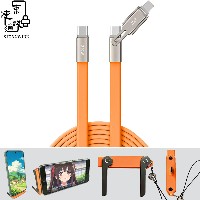 2026 New Stand Data Cable 240W Type C to Type C Cable with Travel Holder Adapter for Xiaomi Huawei L
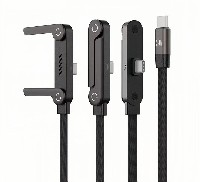 2026 NEW 240W Fast Charging Cable with Phone Stand Nylon Braided Cable USB C Type C Data Cable PD3.1
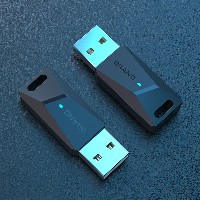 ST-BTR002 Forming Bluetooth receiver Stable and non lagging in car Bluetooth audio cable
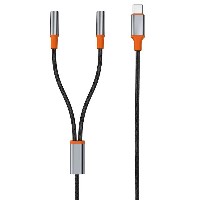 ST-YP-31 L1 type L-dual 3.5mm audio TYPE-C audio head to 3.5mm charging+3.5mm audio socket
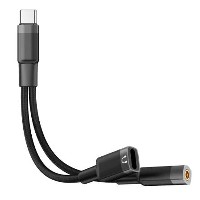 ST-YP-103 Type-C Audio & Charging 2-in-1 Cable (Braided Short Version)
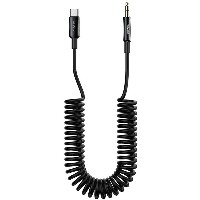 ST-YP-101 Type-C to 3.5mm High-Elasticity Audio Cable (Zinc Alloy Spring Cable Edition)
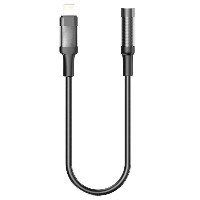 ST-YP-102 Lightning to Bluetooth Audio Transmitter (Braided Transparent Short Version)