Copper-clad aluminum shows itself when burned; pure copper melts into a bead
Industry Anti-Counterfeit Column | 2026-09-29
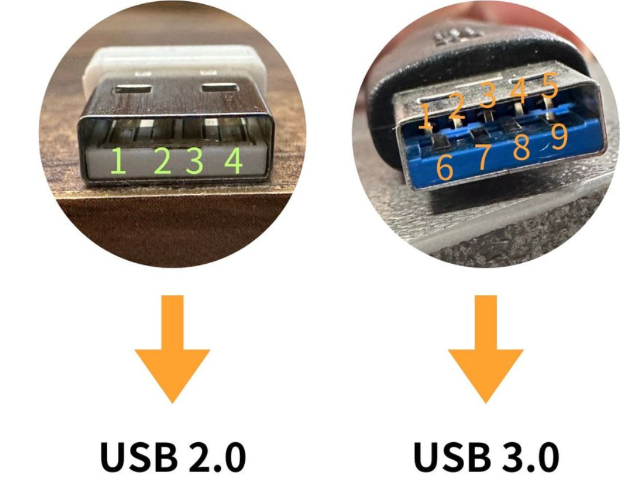
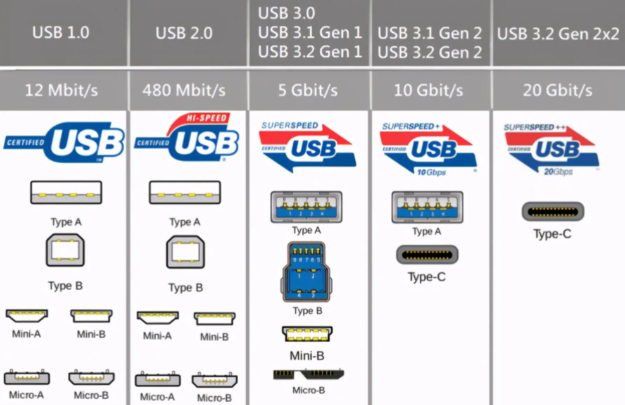
Whether a data cable is good depends on its conductor. Pure copper (oxygen-free copper) conducts well and transmits signals stably - it's the standard for high-speed data cables. Inferior materials like copper-clad aluminum (CCA) and copper-clad steel (CCS) have poor conductivity and weak high-frequency performance, nowhere near meeting USB 3.0 requirements. But these materials are all coated with a thin layer of copper, so you can't tell just by looking at the color. Today we'll teach you the most hands-on method: the lighter burn test.
How It Works
Different metals have different melting points and oxidation characteristics: pure copper melts at about 1083°C, aluminum at about 660°C, and steel at about 1500°C (though steel oxidizes and becomes brittle very easily). A lighter's outer flame reaches 800-1200°C, enough to make different conductors behave very differently.
Safety Note: This test involves an open flame. Perform it in a well-ventilated area away from flammables. You only need to cut a small section (about 5cm) and strip out the copper wire for testing - never ignite an entire cable. Children should not perform this test.
Test Steps
1. Cut about 5cm of the data cable with scissors, strip away the outer jacket and insulation, and expose the inner conductor strands.
2. Hold the middle of the copper strands in the lighter's outer flame (the blue part) for 5-10 seconds and observe what happens.
Three Possible Results
Result 1: Wire melts and shrinks into a bead → Pure Copper (OFC) ✅
Pure copper glows red and darkens when burned, then melts and contracts into a small bead or ball. It doesn't crumble into ash. The surface takes on a dark red or purplish copper oxide color. This is the conductor material a proper high-speed data cable should use.
Result 2: Wire turns grayish-white after light burning → Copper-Clad Aluminum (CCA) ❌
CCA is aluminum wire plated with a thin layer of copper. With a light burn, the thin outer copper quickly oxidizes and flakes off, exposing the aluminum inside which oxidizes rapidly. The wire surface turns grayish-white and becomes brittle. Continued burning causes the aluminum to melt and drip. CCA has only about 60% of pure copper's conductivity and performs terribly at high frequencies.
Result 3: Turns to ash and breaks when touched → CCA/CCS ❌
CCS is steel wire plated with copper. When burned, the surface quickly oxidizes and turns black; the steel core inside oxidizes and becomes brittle, turning ash-like and breaking with a light bend. CCA also turns to grayish-white ash and breaks when burned heavily. Both materials have extremely low conductivity, causing cables to overheat during charging.
Quick Tip
This test is simple but very effective. If you've bought an expensive cable and want to verify it, strip a tiny bit of copper wire from the end and burn it - you'll know if you got your money's worth in under a minute.
StongWire Technology
Quickly connect everything and send it worldwide
https://www.stongwire.com
Alibaba: https://stongwire.en.alibaba.com/?spm=a2700.micro_cgs_home.0.0.7b673e5fYAppaW
WhatsApp: +86 15976150776
E-Mail: lanzhou@stongwire.com


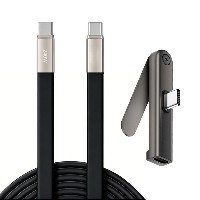 2026 New 240W Type-C Cable USB C Adapter with PD Fast Charging Pure Copper Conductor Silicone Jacket
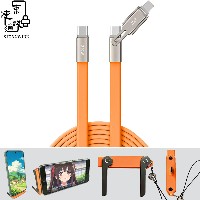 2026 New Stand Data Cable 240W Type C to Type C Cable with Travel Holder Adapter for Xiaomi Huawei L
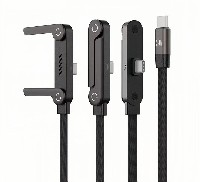 2026 NEW 240W Fast Charging Cable with Phone Stand Nylon Braided Cable USB C Type C Data Cable PD3.1
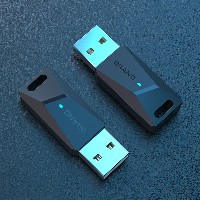 ST-BTR002 Forming Bluetooth receiver Stable and non lagging in car Bluetooth audio cable
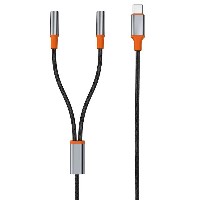 ST-YP-31 L1 type L-dual 3.5mm audio TYPE-C audio head to 3.5mm charging+3.5mm audio socket
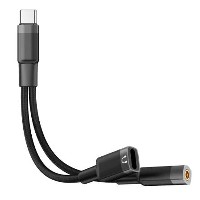 ST-YP-103 Type-C Audio & Charging 2-in-1 Cable (Braided Short Version)
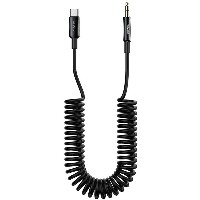 ST-YP-101 Type-C to 3.5mm High-Elasticity Audio Cable (Zinc Alloy Spring Cable Edition)
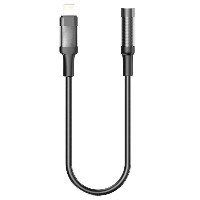 ST-YP-102 Lightning to Bluetooth Audio Transmitter (Braided Transparent Short Version)