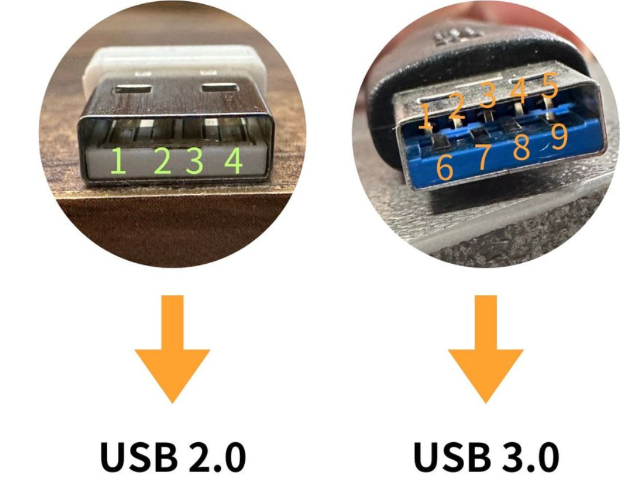
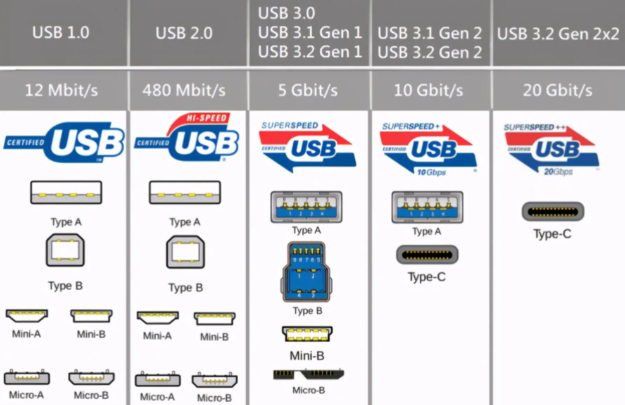
The market is flooded with data cable brands, each claiming USB 3.0, USB 3.2, or even USB4. How can consumers tell which are real and which are fake? Besides the physical testing methods we've covered, there's an "official certified" route: USB-IF certification and TID number lookup. Let's go into detail today.
What Is USB-IF Certification?
USB-IF (USB Implementers Forum) is the official organization that develops USB standards. A product with USB-IF certification has passed rigorous testing by official laboratories for electrical performance, protocol compatibility, and mechanical reliability, meeting the requirements of the corresponding USB version standard.
Every certified product is assigned a unique TID (Test ID) number. Think of it as the product's "ID card" - you can look it up on the USB-IF website.
How to Check a TID Number
Step 1: Find the TID number on the product packaging or detail page. Legitimate products clearly display "USB-IF Certified" along with the TID number.
Step 2: Go to the USB-IF product search page (usb.org → Compliance → Products).
Step 3: Enter the TID number, product name, or company name to search. If the corresponding product comes up, the certification is real. If nothing comes up, it's basically fake.
Common Certification Tricks
Trick 1: Photoshopped certification logosThe most straightforward fraud. The USB-IF logo is printed on packaging and product pages, but the product was never actually certified. Consumers can expose it just by looking up the TID.
Trick 2: One TID for the entire storeSome sellers have only one product certified, but they print the same TID on every product in their store. The TID checks out, but it doesn't match the specific model you're buying.
Trick 3: USB 2.0 certified, labeled as USB 3.0Certification is tiered. Passing USB 2.0 certification doesn't mean you've passed USB 3.0. When checking, carefully review the exact specifications (USB version, speed, current, etc.) listed in the certification.
Should You Never Buy Uncertified Cables?
Not necessarily. USB-IF certification isn't cheap, and some smaller brands or white-label products may not have it but still be decent quality. However, for USB 3.0 and above high-speed cables and fast-charging cables, certification is an important quality guarantee. Especially for higher-priced USB4 Thunderbolt cables, we strongly recommend buying certified products.
Buying Tip: For budget charging cables, check reviews and sales volume. For high-speed data cables and fast-charging cables, prioritize USB-IF certified products. Spend 30 seconds looking up the TID number - it buys you peace of mind.
Conclusion
USB-IF certification isn't everything, but it's currently the most authoritative and verifiable proof of quality. Counterfeiters can copy logos and packaging, but they can't fake the TID records in the official database. Making a habit of checking the TID before buying will help you avoid most counterfeit and shoddy products.
StongWire Technology
Quickly connect everything and send it worldwide
Website: https://www.stongwire.com
Alibaba: https://stongwire.en.alibaba.com
WhatsApp: +86 15976150776
E-Mail: lanzhou@stongwire.com


 2026 New 240W Type-C Cable USB C Adapter with PD Fast Charging Pure Copper Conductor Silicone Jacket
 2026 New Stand Data Cable 240W Type C to Type C Cable with Travel Holder Adapter for Xiaomi Huawei L
 2026 NEW 240W Fast Charging Cable with Phone Stand Nylon Braided Cable USB C Type C Data Cable PD3.1
 ST-BTR002 Forming Bluetooth receiver Stable and non lagging in car Bluetooth audio cable
 ST-YP-31 L1 type L-dual 3.5mm audio TYPE-C audio head to 3.5mm charging+3.5mm audio socket
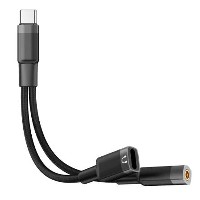 ST-YP-103 Type-C Audio & Charging 2-in-1 Cable (Braided Short Version)
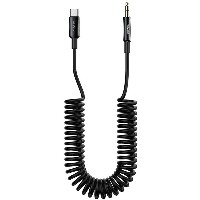 ST-YP-101 Type-C to 3.5mm High-Elasticity Audio Cable (Zinc Alloy Spring Cable Edition)
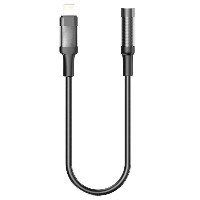 ST-YP-102 Lightning to Bluetooth Audio Transmitter (Braided Transparent Short Version)