Science | Cable Shielding Explained: Why Does Your Cable Slow Down?
Foil vs. braid vs. double shielding - what is the difference?
Industry Knowledge | 2026-10-29
Have you ever transferred a large file over a data cable and noticed the speed fluctuating wildly, or even dropping mid-transfer? If you have ruled out issues with your flash drive and computer, the culprit might be inadequate cable shielding. Let talk about cable shielding technology.
Why Do We Need Shielding?
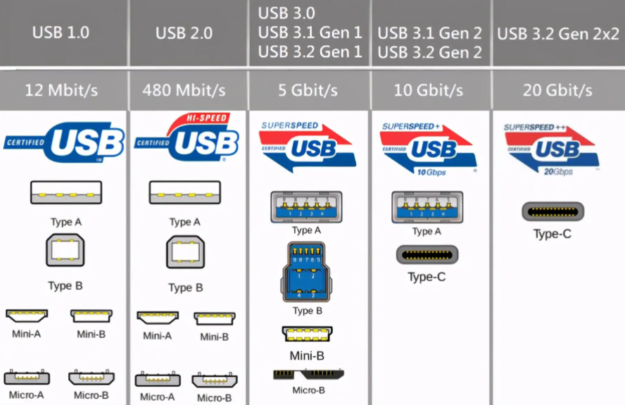
Data cables transmit electrical signals, and those signals are vulnerable to electromagnetic interference (EMI) from outside sources. Phones, chargers, power cords, microwaves - even another nearby data cable can cause interference. The higher the frequency, the more noticeable the effect. At USB 2.0 480Mbps, interference is barely noticeable. But at USB 3.0 5Gbps or USB 3.2 10Gbps, shielding quality directly determines transmission performance.
Common Shielding Methods
There are two main shielding approaches used in data cables today: foil shielding and braided shielding.
Foil Shield: Aluminum foil wrapped around the signal wires. Low cost with good shielding performance, especially for high-frequency interference. However, foil is less flexible and can crack after repeated bending.
Braided Shield: A mesh of woven metal strands surrounding the core. Braided shielding is very flexible and durable, with typical coverage between 85% and 95% - though the small gaps mean it is not 100% coverage.
Double Shielding: Both foil and braid together - the standard for high-speed data cables. Foil handles high-frequency interference, braid handles low-frequency, combining for the best overall performance.
What Is Shielding Coverage?
For braided shields, an important spec is coverage - how much of the cable surface the braid actually covers. Higher coverage means better shielding. Proper USB 3.0 cables require at least 85% braid coverage, and premium cables can reach 95% or higher.
How Can You Tell If Shielding Is Good?
Shielding is internal - you cannot see it without cutting the cable. But you can judge indirectly:
1. Check diameter: Double-shielded cables are usually thicker, typically 4mm or more. 2. Feel the texture: Braided-shield cables have a certain firmness when bent - they do not feel like cooked noodles. 3. Test the speed: If large-file transfers are smooth and stable, shielding is probably good. If speed fluctuates wildly, shielding may be inadequate.
Bottom line: For high-speed data cables, always choose double-shielded products. Shielding may be invisible, but it is essential for stable transmission.
StongWire Technology
Quickly connect everything and send it worldwide
Website: https://www.stongwire.com
Alibaba: https://stongwire.en.alibaba.com
WhatsApp: +86 15976150776
E-Mail: lanzhou@stongwire.com


 2026 New 240W Type-C Cable USB C Adapter with PD Fast Charging Pure Copper Conductor Silicone Jacket
 2026 New Stand Data Cable 240W Type C to Type C Cable with Travel Holder Adapter for Xiaomi Huawei L
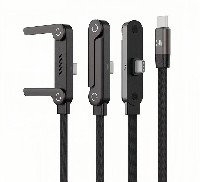 2026 NEW 240W Fast Charging Cable with Phone Stand Nylon Braided Cable USB C Type C Data Cable PD3.1
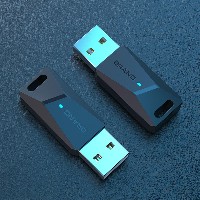 ST-BTR002 Forming Bluetooth receiver Stable and non lagging in car Bluetooth audio cable
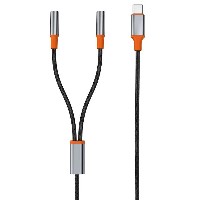 ST-YP-31 L1 type L-dual 3.5mm audio TYPE-C audio head to 3.5mm charging+3.5mm audio socket
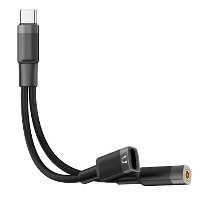 ST-YP-103 Type-C Audio & Charging 2-in-1 Cable (Braided Short Version)
 ST-YP-101 Type-C to 3.5mm High-Elasticity Audio Cable (Zinc Alloy Spring Cable Edition)
 ST-YP-102 Lightning to Bluetooth Audio Transmitter (Braided Transparent Short Version)